Foundation Inspection Services for Property Owners
Visitors will learn about foundation inspection services and how local contractors can help assess and address foundation concerns.
- - Homeowners seeking foundation inspections for residential properties to ensure structural stability.
- - Commercial property managers needing assessments for commercial buildings or multi-unit complexes.
- - Real estate professionals requiring pre-sale or pre-purchase evaluations of a property's foundation condition.


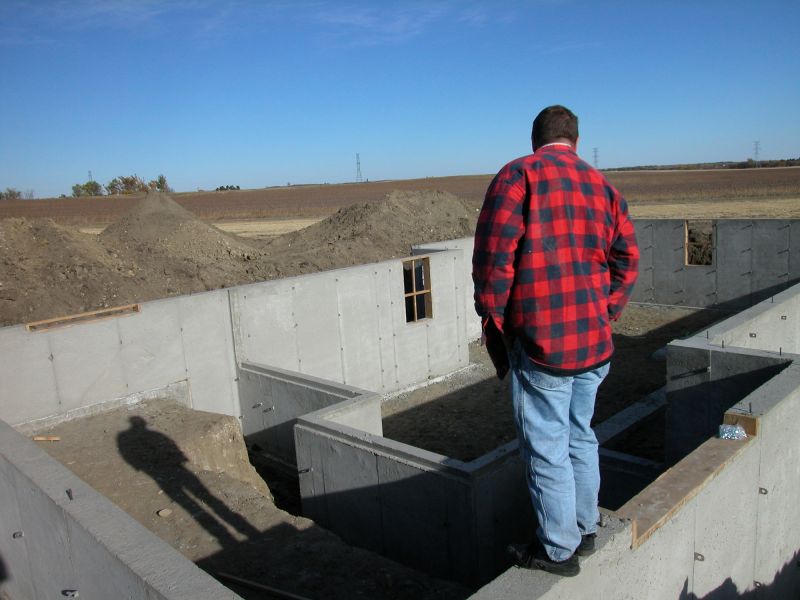
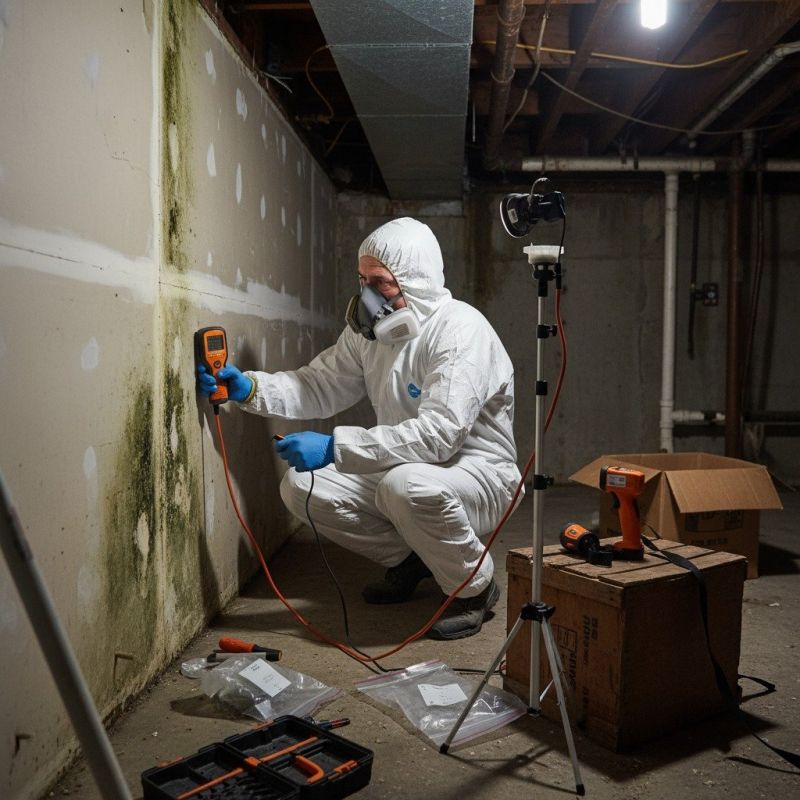
Foundation inspection services are essential for property owners who want to assess the stability and integrity of their building’s foundation. When signs such as cracks, uneven floors, or doors that stick appear, it may indicate underlying issues that require professional evaluation. Local contractors specializing in foundation inspections have the expertise to identify potential problems, determine their causes, and recommend appropriate solutions. These service providers typically perform detailed visual assessments, measurements, and sometimes use specialized tools to ensure a thorough evaluation of the foundation’s condition.
Connecting with experienced local pros can help property owners find the right solution for foundation concerns. Whether dealing with minor cracks or more significant structural issues, these service providers handle a variety of inspection needs. They work with homeowners, landlords, and property managers to deliver clear insights about the foundation’s status and potential next steps. By comparing local foundation inspection specialists, property owners can find the right support to maintain or improve their property’s stability and safety.
This guide provides clear information to help compare and choose among nearby foundation inspection service providers. It explains key factors to consider when planning a foundation inspection project. By understanding these details, visitors can better prepare to connect with trusted local contractors.